
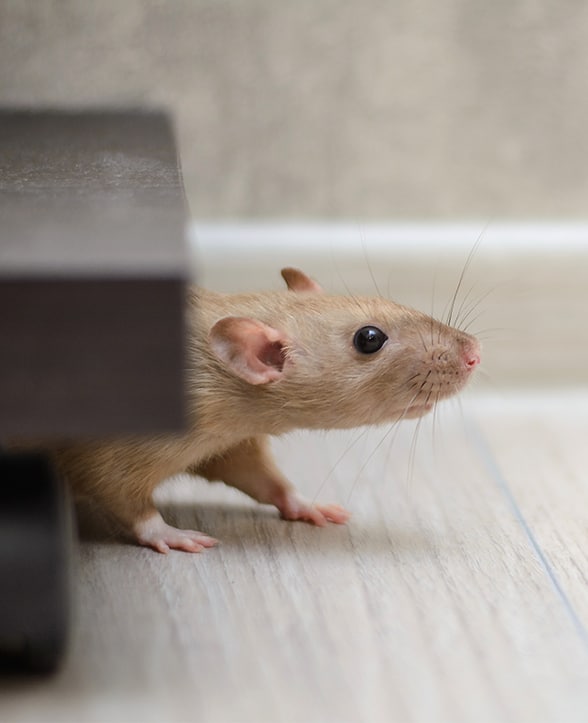

If you think skipping winter pest control is safe because you don’t see pests, you’re not alone. Many Indiana homeowners assume pests disappear when temperatures drop. The reality is different. Winter often pushes pests deeper into your home, not out of it.
Just because you don’t see activity does not mean pests are gone.
Why Winter Pest Protection Still Matters
Cold weather changes pest behavior. It does not eliminate the problem.
It Targets Pests That Hide Indoors
During Indiana winters, pests seek warmth and shelter. Basements, wall voids, crawl spaces, and utility rooms become prime hiding spots. Pests stay hidden to conserve energy. This makes them harder to spot but not less active.
Without pest control in winter, infestations quietly grow.
Pest Control During Winter Stops Breeding Before Spring
Many pests continue reproducing indoors during winter. Cockroaches, rodents, and ants do not rely on outdoor temperatures once they enter your home. Spring infestations often begin months earlier during winter.
Preventing breeding now reduces larger problems later.
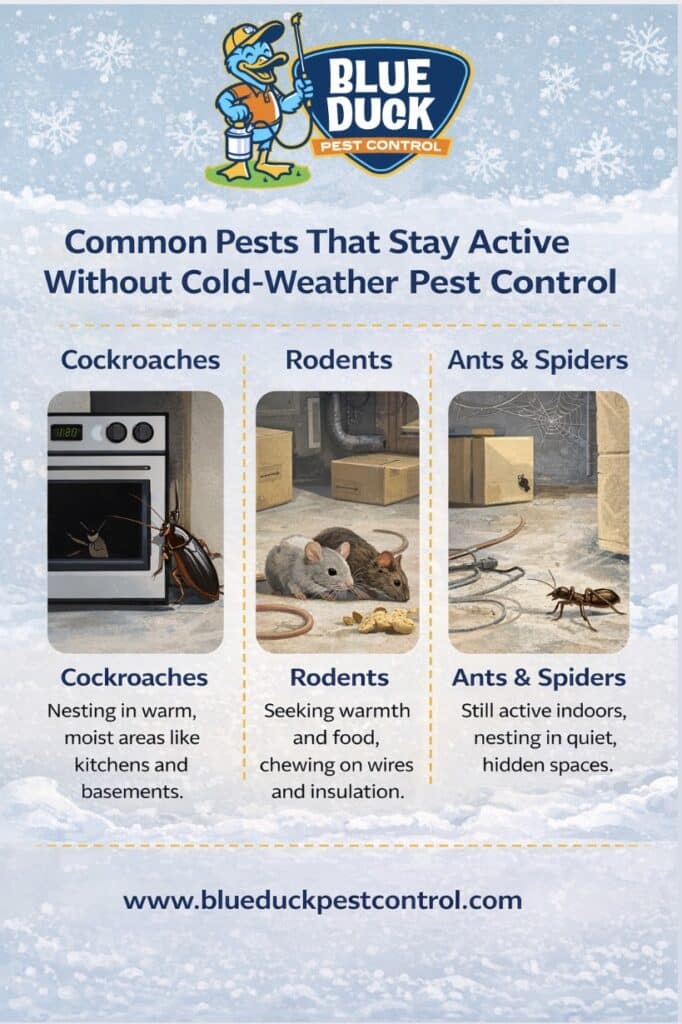
Common Pests That Stay Active Without Cold-Weather Pest Control
Even when your home feels quiet, pests may still be present.
Cockroaches Thrive
Cockroaches survive winter by hiding near heat and moisture. Kitchens, basements, and laundry rooms are common nesting areas. Seeing one often means many more are hidden nearby.
Rodents Remain a Threat
Mice and rats enter homes for warmth and food. Winter activity often increases as outdoor food sources disappear. Rodents chew wires, damage insulation, and contaminate surfaces.
Ants and Spiders Persist
Ants slow down but do not vanish. Many species remain active indoors. Spiders follow prey into homes and settle in quiet corners and storage spaces.
Why You Don’t See Pests During Winter
Visibility changes with the season.
Pest Control in Winter Addresses Reduced Pest Movement
Cold temperatures reduce movement. Pests conserve energy by staying hidden longer. Fewer sightings create a false sense of security.
Hidden Damage Continues Without Pest Control
Even unseen pests cause damage. Rodents gnaw. Cockroaches contaminate surfaces. Ants establish colonies behind walls. Waiting until spring allows damage to increase.
How Pest Control in Winter Protects Your Home
Preventive care offers long-term benefits.
It Creates a Barrier Before Spring
Professional treatments focus on entry points, nesting zones, and moisture sources. This blocks pests before warmer weather increases activity.
It Is Safer and More Effective
Targeted winter treatments use less product and reach pests when they are concentrated indoors. This makes treatments more efficient and family-safe.
Why Professional Pest Control During Winter Works Best
DIY methods rarely reach hidden infestations. Professionals understand seasonal pest behavior in Indiana. Treatments are adjusted for cold-weather activity. This reduces infestations before they become visible.
Skipping winter service often leads to higher costs later.
Protect Your Home With Pest Control in Winter
If you are relying on sightings alone, pests may already be present. Winter pest control protects your home when pests are hardest to detect. Blue Duck Pest Control offers family-safe, season-specific solutions designed for Indiana homes.
Contact Blue Duck Pest Control today to stay protected all winter long.